Speakers at Festival of Place Bytesize say the benefits of historic fabric are often overlooked; challenging sites can deliver positive social and environmental impact
It’s not an easy task to stretch the flood defence grants but with an integrated team, you can get creative and maximise the benefits of the results, writes Kimberley France
The health and economic benefits of Passivhaus make it worth the increase in quality control and investment, experts say, while cost of building the standard has decreased significantly, writes Kimberley France
Brent Cross Town is using the Flourishing Index to demonstrate the cause and effect of placemaking on public health. Dr Jamie Anderson, Buro Happold’s urban wellbeing lead, explains the metrics and methodology
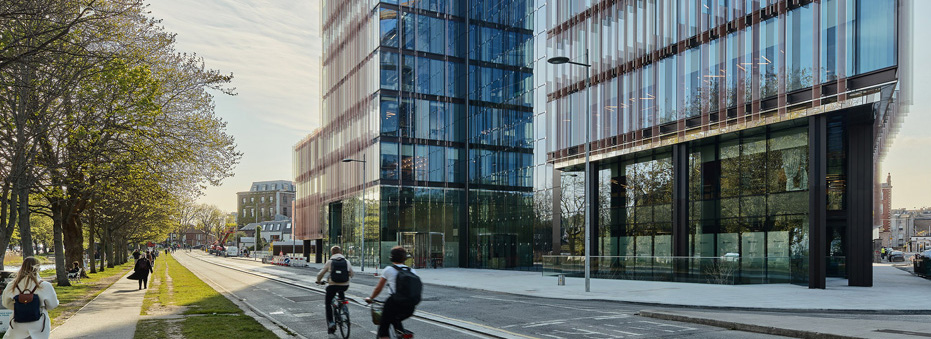
IPUT Real Estate Dublin shares their methodology for long-term social impact research project Making Impact to evaluate the social, cultural, economic, and environmental value of their investment in Wilton Park, Dublin
As we await the final NPPF, the wave of strategic frameworks and local plans is an opportunity to put neighbourhood health into place. We should reframe land use policy, not as a constraint, but as a proactive tool to reduce inequalities and improve wellbeing, write Michael Chang and Sophie Hockin
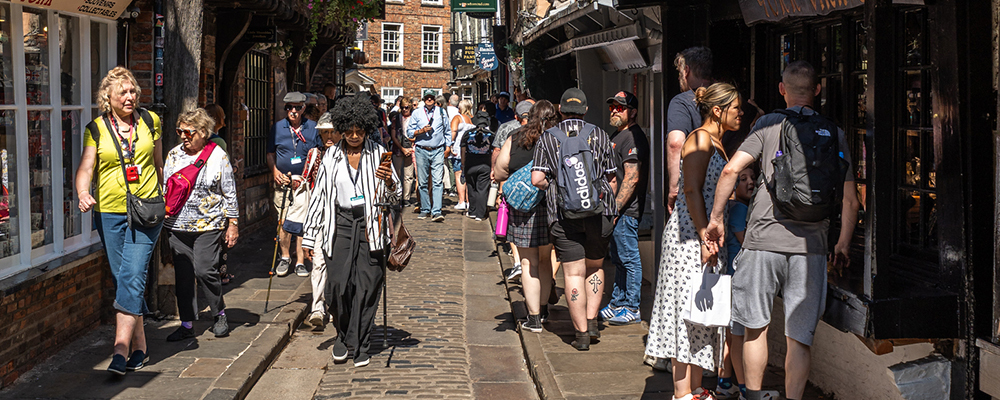
Just being close to a train station isn’t the only, or even the best, way to measure whether somewhere is well-connected or a good place to live, writes Aggie Morris, Planning Officer, Walk Wheel Cycle Trust
Now that more schemes are purpose-built for rental – from transient co-living residents to longer-term family lets – how should design respond? Harriet Saddington reports
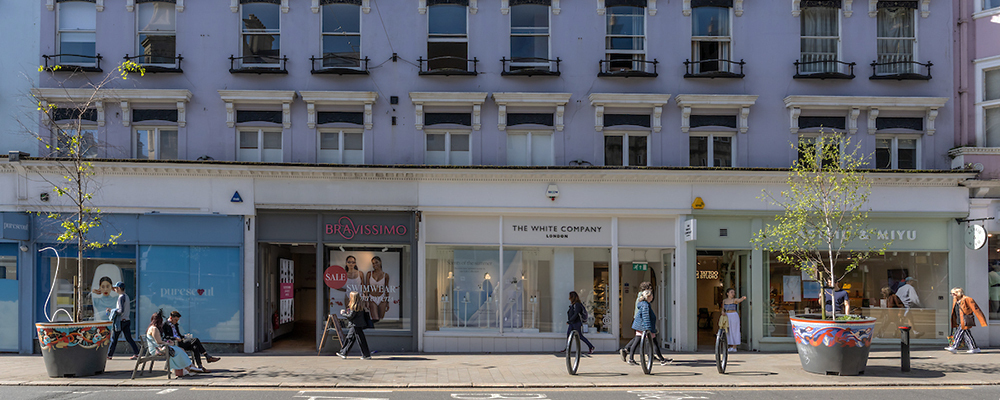
The high street is not just a place to shop, it’s the identity of a place, the branding of a neighbourhood, a reflection of our state of mind – and lately, a complete embarrassment, writes Christine Murray
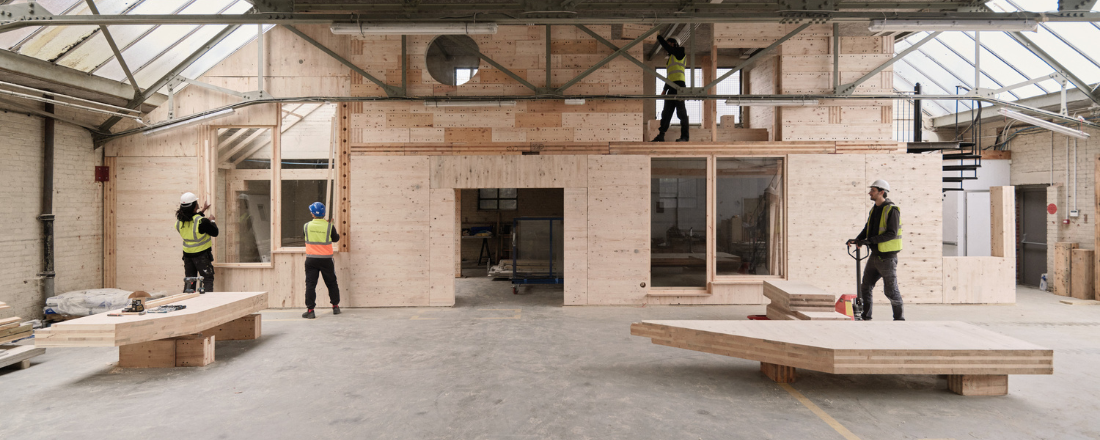
Tipping Point East in Newham aims to radically transform construction waste and supercharge reuse. Hani Salih meets the people dismantling the system and building a circular economy, one step at a time
Not only was Ruth Glass remarkably ahead of her time in identifying and naming gentrification as a new phenomenon over 60 years ago, her work has continuing relevance in the subsequent social and housing market changes in London and other cities, writes Chris Hamnett
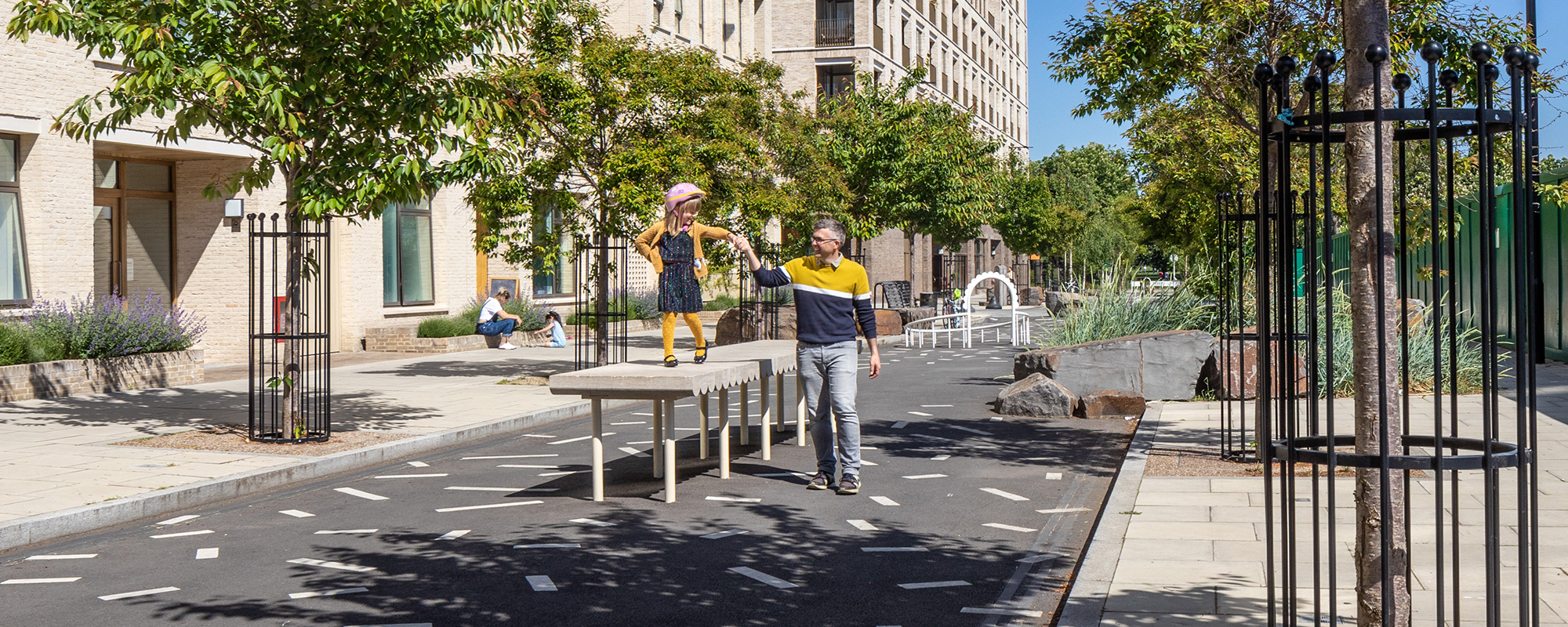
Major study shows street closures reduce car use and get children walking, but the spike in those parking and striding from boundary areas suggest careful planning is needed. Christine Murray reports